Frozen fish has a bad reputation. Most of it is deserved, but the fish isn’t the problem. The cook is.
Overcooked, dry, rubbery fish is almost always the result of too much heat for too long, not because it started out frozen. Get the technique right and frozen fish fillets can be genuinely good. Not “good for frozen fish” good. Just good.
Here’s what you need to know.
Is Frozen Fish Actually Worth Cooking?
Yes, and in some cases it’s better than what you’d buy fresh at a grocery store. Fish that’s frozen at sea right after being caught locks in freshness at its peak. A lot of “fresh” fish at the supermarket has been sitting in transit for days before it hits the case.
The key is buying quality frozen fish. Look for fillets that are individually vacuum-sealed with no visible freezer burn and minimal ice crystals. If the bag is full of frost and the fish looks grey at the edges, pass on it.
Good options to keep in the freezer: cod, halibut, tilapia, salmon, and pollock. All of them cook well from frozen using the methods below.
Do You Have to Thaw Frozen Fish First?
No. You can cook most fish fillets straight from the freezer, and for thinner fillets it’s often the better move. Thawing introduces extra moisture that can work against you when you’re trying to get a good sear.
If you do thaw, do it properly. Put the fillets in the fridge the night before, still in their packaging. Don’t thaw on the counter, and don’t run them under hot water. Fast thawing damages the cell structure of the fish and you end up with a mushy texture before you even start cooking.
If you’re in a hurry: submerge the sealed bag in cold water for 30 to 45 minutes. That’s the fastest acceptable method.
How to Cook Frozen Fish Fillets: The Best Methods
Baking (Most Forgiving)
Baking is the easiest method and the hardest to screw up, which makes it a good starting point.
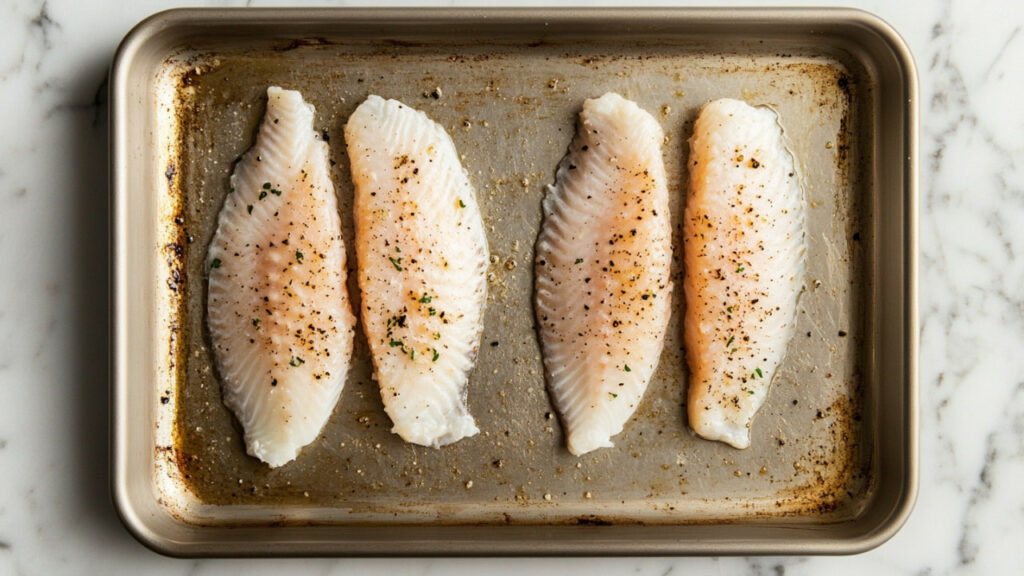
Preheat your oven to 425°F. Rinse the fillets under cold water to knock off any surface ice, then pat them completely dry with paper towels. Dry fish browns. Wet fish steams.
Place on a baking sheet, drizzle with oil, season, and bake uncovered for 12 to 15 minutes depending on thickness. Thinner fillets like tilapia are done closer to 12. Thicker fillets like cod or halibut need the full 15.
Pro tip: Pull the fish out about 2 degrees before your target temp and let carryover cooking finish the job. The FDA says 145°F internal temp for fish. Pull it at 143°F and rest it for a couple of minutes.
Pan-Searing (Best Results, Highest Risk)
Pan-searing gives you the best crust and the most flavor, but it punishes you for mistakes.
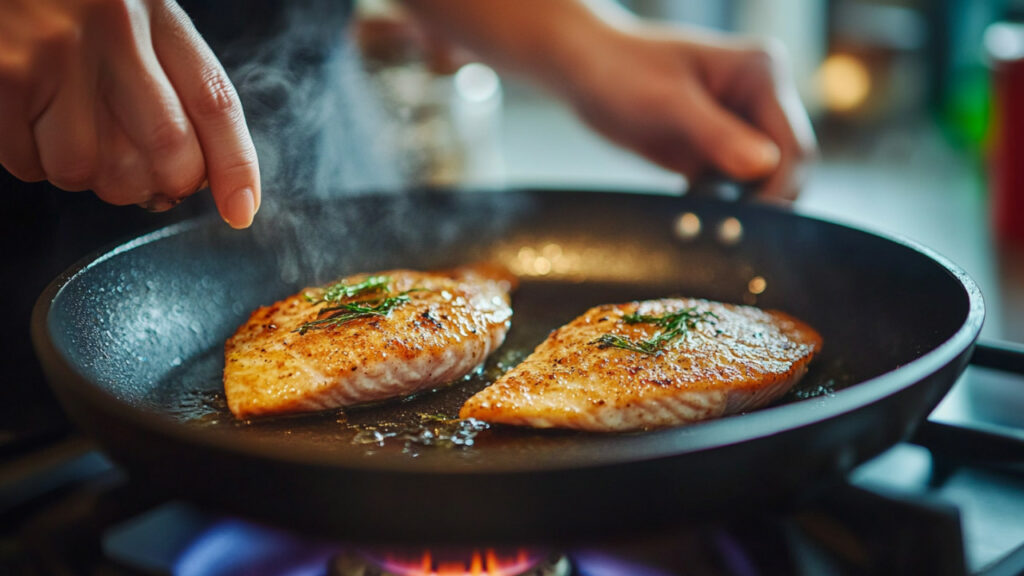
You need a hot pan, enough oil, and dry fish. If any of those three are off, you get sticking and steaming instead of a sear. Use stainless steel or cast iron. Skip the non-stick.
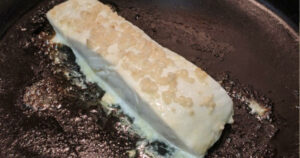
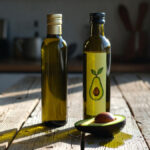
Heat your pan over medium-high until it’s genuinely hot, add a thin layer of oil with a high smoke point (avocado oil works well), and lay the fillets in away from you. Don’t touch them for 3 to 4 minutes. When they release cleanly from the pan, flip once and finish for another 2 to 3 minutes.
This method works best with thawed or partially thawed fillets. Cooking a fully frozen thick fillet in a pan is a good way to burn the outside before the inside is done.
Air Frying (Quickest, Crispiest)
If you want crispy fish with minimal effort, the air fryer is your best option.
Preheat to 400°F. Rinse and dry the fillets, coat lightly with oil, season, and air fry for 10 to 12 minutes flipping halfway through. You get a crust that’s close to pan-seared without having to babysit the pan.
Works great for thinner fillets. For thick fillets over an inch, check the internal temp at the 10-minute mark.
Broiling (Fast and Underrated)
Broiling is basically upside-down baking with more direct heat, and it’s faster than most people realize.
Place fillets on a broiler pan or rack, season, and broil on high about 6 inches from the element for 8 to 10 minutes. No need to flip for thinner fillets. Watch it closely the last 2 minutes because the line between perfectly browned and overdone is thin.
How to Season Frozen Fish
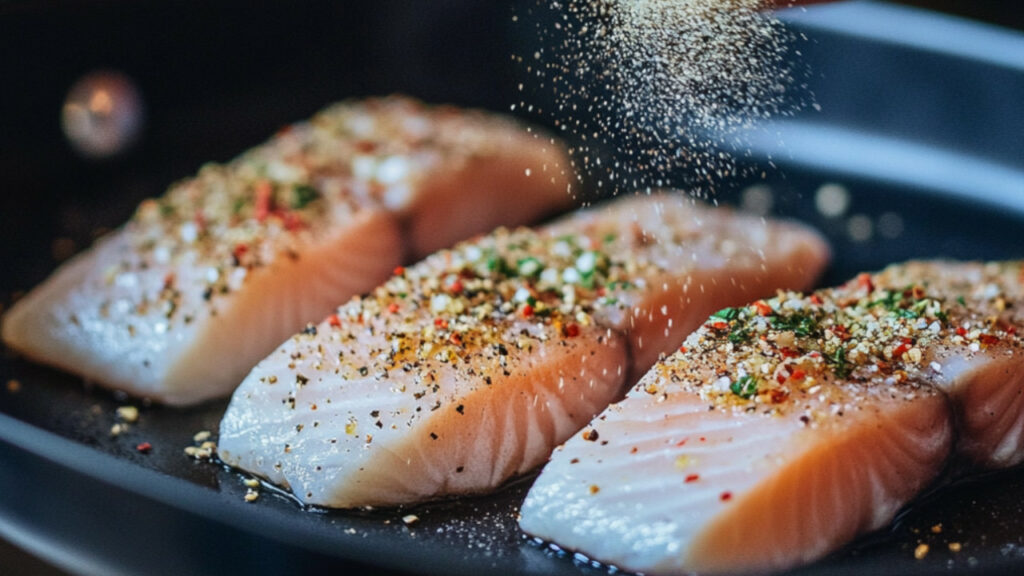
Simple works. Here are three directions worth knowing:
Classic: Kosher salt, black pepper, lemon juice, and a drizzle of good olive oil. Hard to beat.
Mediterranean: Dried oregano, garlic powder, lemon zest, olive oil. Works especially well baked or broiled.
Spiced: Smoked paprika, cumin, cayenne, a little garlic powder. Good for tacos or grain bowls.
Season right before cooking, not an hour ahead. Salt draws moisture out of fish fast and you want that surface as dry as possible going into the heat.
How to Tell When Fish Is Done
The FDA target is 145°F internal temperature. Use a thermometer. Guessing by time alone is how you end up with overcooked fish.
The flake test is a decent backup: press the thickest part of the fillet with a fork and twist slightly. If it flakes cleanly and the flesh is opaque all the way through, it’s done. If it’s still translucent in the center, give it another minute or two.
The most common mistake: cooking until it’s done in the pan. Pull it a couple degrees early and let carryover do the rest. Fish carries over fast so don’t walk away from it.
Why Lean Fish Like Tilapia Dries Out Faster
Tilapia has almost no fat, which means it has no buffer against heat. Once it’s overcooked there’s nothing there to keep it moist.
Two fixes: cook it a little lower and slower than you would a fattier fish, and add fat externally. A drizzle of olive oil or a pat of butter in the last minute of cooking goes a long way. Baking it covered with foil for the first two-thirds of the cook time and uncovering to finish is another good approach.
Salmon has enough fat that it’s much more forgiving. Still don’t overcook it, but it can take a little more heat without turning to sawdust.
The Short Version
Buy quality frozen fish with no freezer burn. Thaw in the fridge overnight or not at all. Dry the fillets completely before cooking. Don’t overcook. Pull it a couple degrees early and use a thermometer.
That’s most of it. The rest is just practice.