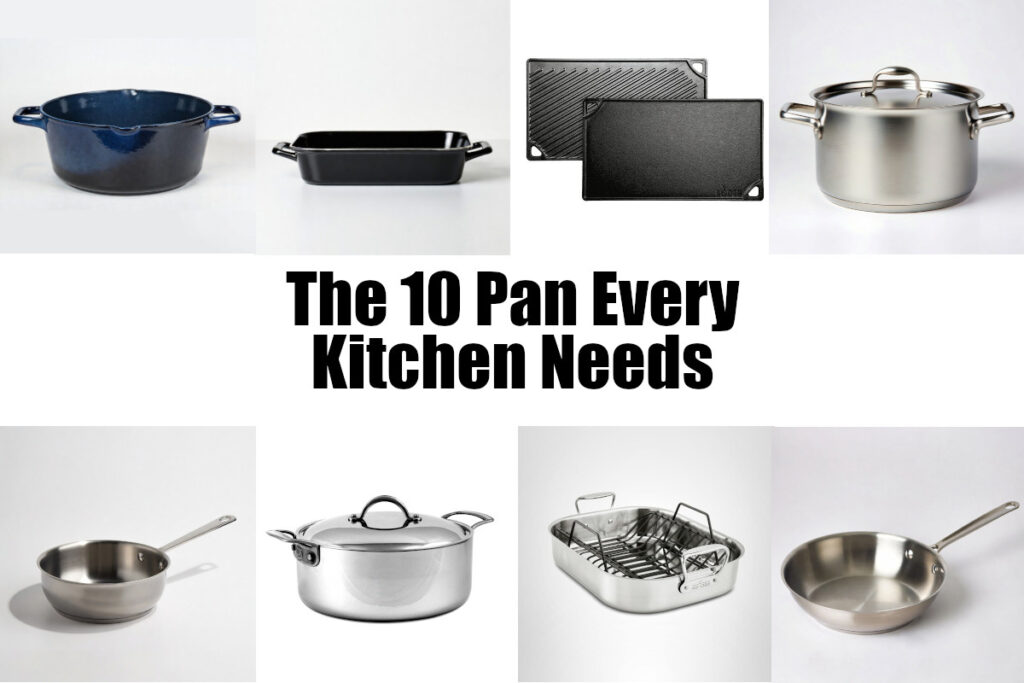
I’ve been cooking for decades, and if there’s one thing I’ve learned, it’s that your pans matter more than almost any other piece of kitchen equipment. You can have all the fancy gadgets in the world, but if you’re cooking on warped, cheap cookware, your food is going to suffer.
Here’s the thing though: you don’t need a matching 15-piece set from some TV shopping channel. What you need are the right pans for how you actually cook. That’s what this guide is about.
This list is ranked based on what I believe gives you the best combination of versatility, durability, and value for your money. Cast iron takes the top spot because nothing else comes close in terms of bang for your buck. A $30 Lodge skillet will outlive you if you treat it right, and it does things that pans costing ten times as much simply cannot.
One thing you won’t find on this list: non-stick pans. I’ve written extensively about why I don’t trust them, but the short version is this. Every non-stick coating, whether it’s traditional Teflon, ceramic, or the newer “healthy” alternatives, breaks down over time. When it does, those chemicals and microplastics end up in your food. I’m not interested in seasoning my dinner with plastic particles, and you shouldn’t be either. The pans on this list will give you excellent release when used properly, without the health concerns.
Cast Iron Skillet
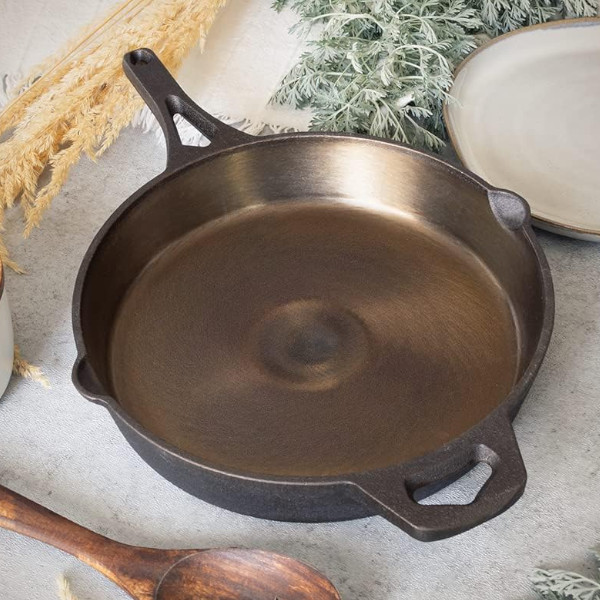
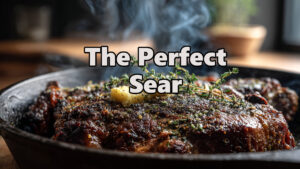
A cast iron skillet is the ultimate versatile workhorse for searing meats, frying, baking, and even oven-finishing dishes thanks to its unparalleled heat retention and natural seasoning that builds a non-stick surface over time. No serious home kitchen should be without one, as it handles high-heat tasks better than any other pan and lasts generations with proper care.
Best For: High-heat searing, frying, and oven-to-stovetop transitions like steaks or cornbread.
Suggested Options
Enameled Cast Iron Dutch Oven
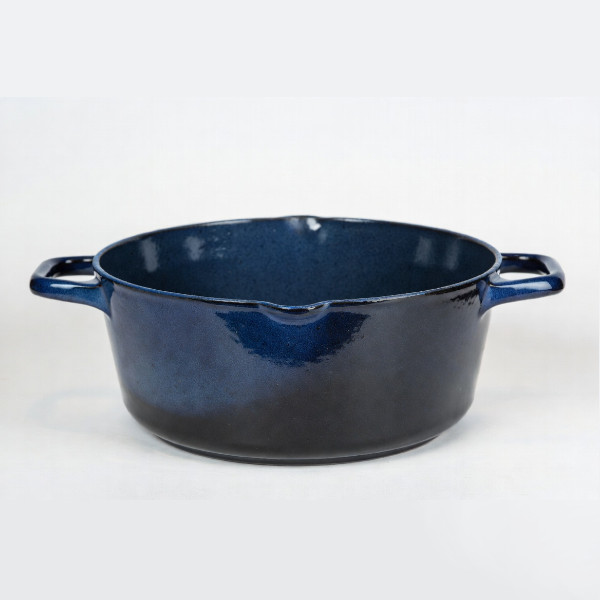
An enameled Dutch oven excels at low-and-slow cooking like braising, stewing, soups, and no-knead bread, with superior even heat distribution that prevents scorching and develops deep flavors. Its heavy lid traps moisture perfectly, making it indispensable for comforting, long-simmered meals that define home cooking.
Best For: Long braises, stews, soups, and baking artisan bread.
Suggested Options
Sauté Pan (Stainless Steel)
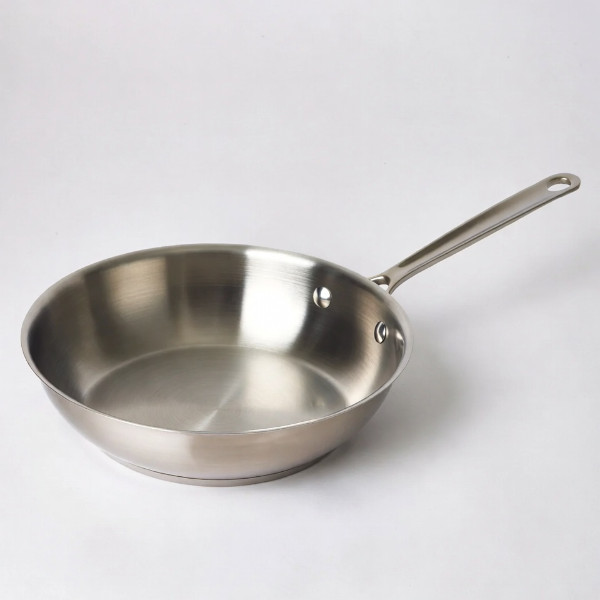
A stainless steel sauté pan’s tall straight sides and wide base make it ideal for browning large batches, reducing sauces, or cooking one-pot meals with minimal splatter and easy stirring. Its durability and non-reactivity with acidic foods ensure even heating and professional results for everyday sautéing and deglazing.
Best For: Browning meats, reducing sauces, and one-pan meals with controlled splatter.
Suggested Options
Saucepan (Medium, 3-4 Qt)
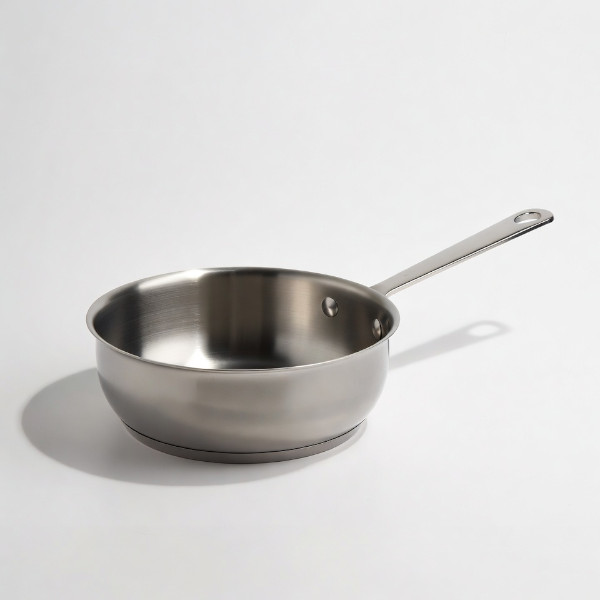
This medium saucepan is crucial for boiling pasta, cooking grains, steaming vegetables, or preparing sauces and soups with precise temperature control and even heating. Its non-reactive stainless construction and fitted lid make it a daily essential for reliable, mess-free boiling and simmering tasks.
Best For: Boiling pasta, cooking grains, steaming veggies, and making medium-batch sauces or soups.
Stockpot (Large, 8-12 Qt)
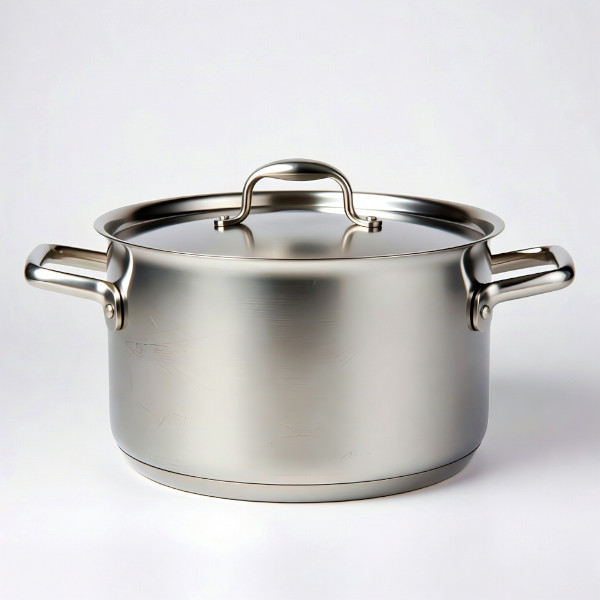
A large stockpot handles high-volume tasks like making homemade stocks, boiling lobster, cooking big batches of chili or soup, or blanching pasta for crowds without overflow. Its tall sides and sturdy build ensure safe, even cooking for preservation and meal-prep staples that stock your freezer.
8 quart pots are a good starter size, but if you have a big family, go for the 12 quart.
Best For: Large-batch stocks, soups, chili, and boiling pasta or seafood for crowds.
Saucier (Stainless Steel)
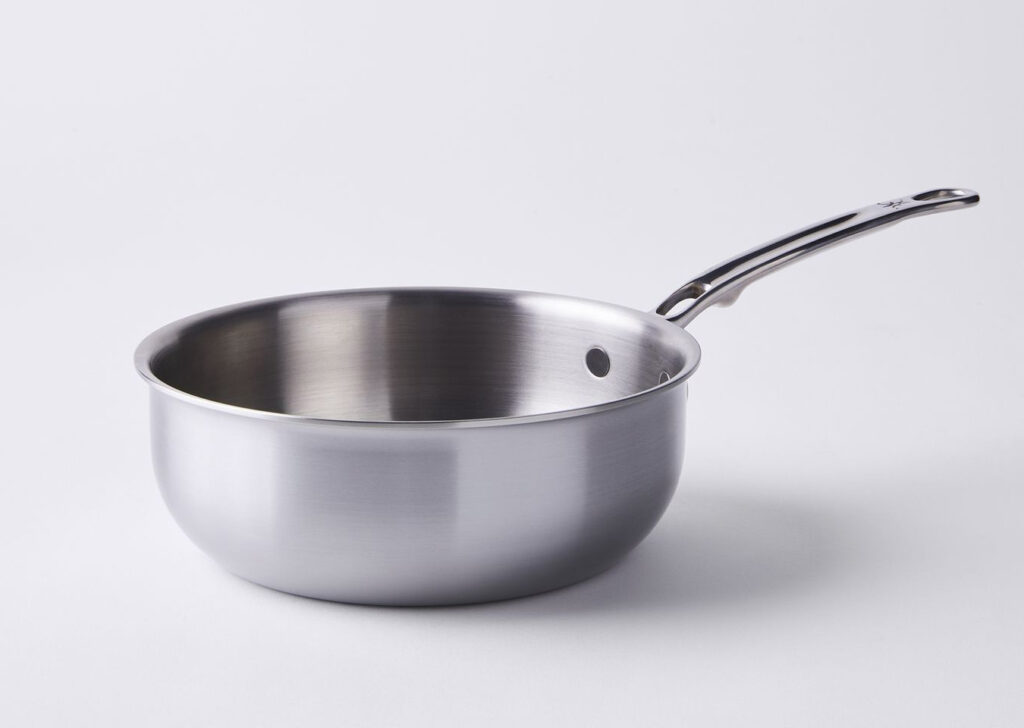
The saucier’s rounded bottom allows effortless whisking and stirring without trapping food in corners, making it perfect for delicate sauces, custards, risotto, or reductions that require constant attention. Its curved shape prevents scorching and promotes smooth emulsions, elevating your sauce game significantly.
Best For: Delicate sauces, custards, risotto, and any whisked or stirred reductions.
Suggested Options
Frying Pan (Stainless Steel)
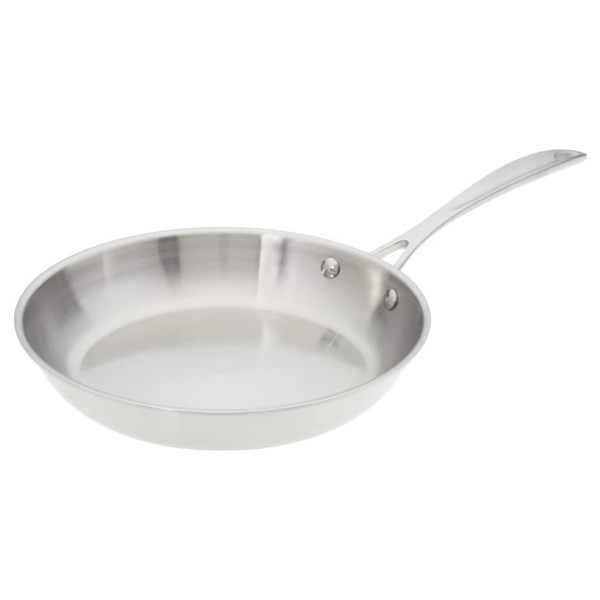
A stainless steel frying pan provides quick, responsive heating for everyday tasks like searing proteins, sautéing vegetables, or pan-frying with excellent browning and fond development for flavorful deglazing. Its lightweight design and sloped sides make it highly maneuverable for fast stovetop cooking without reactivity issues.
Best For: Quick searing, pan-frying proteins or veggies, and everyday fast cooking.
Reversible Cast Iron Griddle/Grill
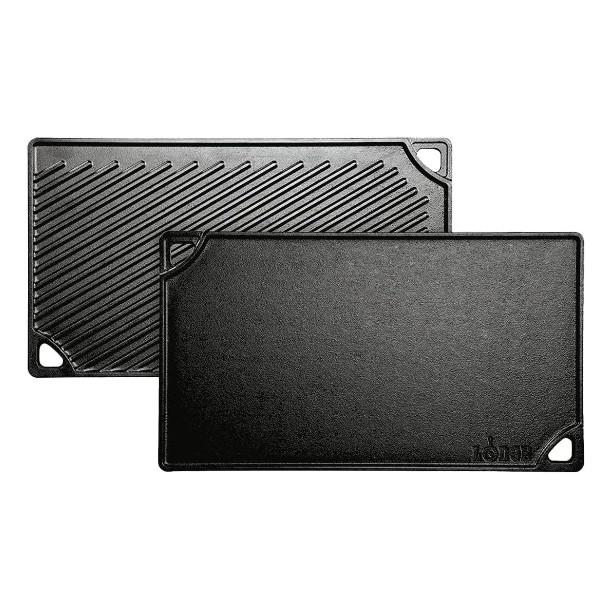
This reversible piece offers a flat side for even griddling pancakes, eggs, or smash burgers and a ridged side for indoor grilling with authentic char marks and fat drainage. Its massive surface and heat retention make it a space-saving essential for breakfast spreads or year-round “grilled” flavors without an outdoor setup.
Pro Tip: Always go with cast iron for maximum durability and heat retention.
Best For: Batch breakfasts (pancakes, bacon) on the flat side and indoor grilling (steaks, burgers) on the ridged side.
Roasting Pan
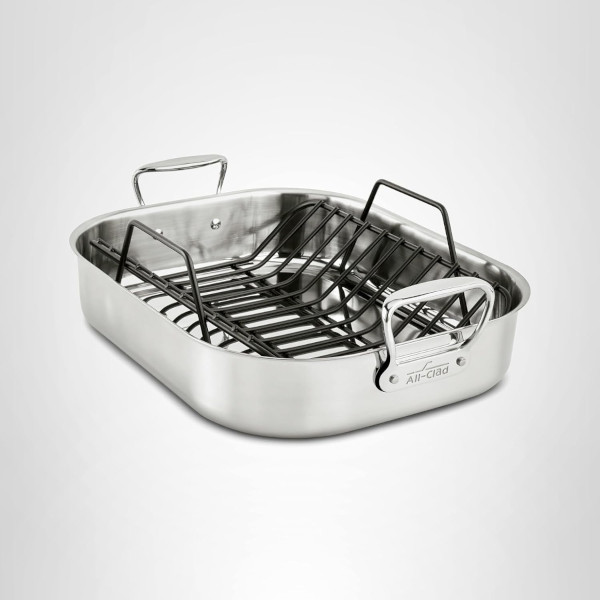
A roasting pan’s large size and sturdy rack allow even browning and airflow for holiday turkeys, prime ribs, or sheet-style veggie roasts in the oven. It captures drippings for gravies and transitions seamlessly for big gatherings or meal prep.
Best For: Oven-roasting large cuts like turkey, roasts, or big batches of vegetables.
Suggested Options
Braiser/Rondeau
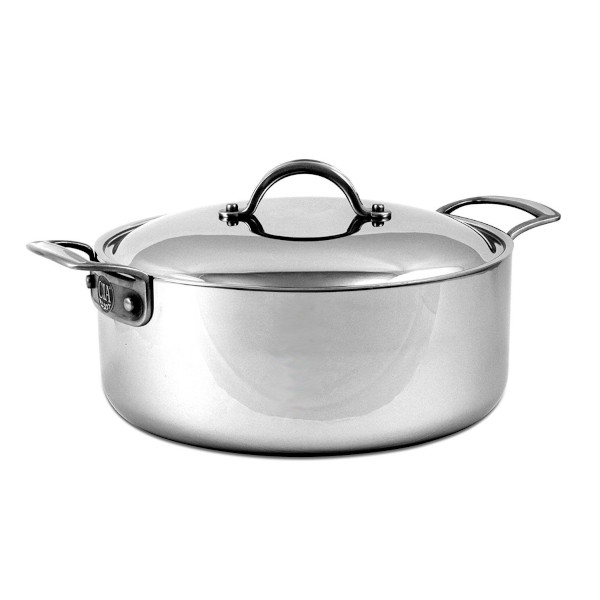
The braiser’s wide base sears meats beautifully before slow-braising with its tight lid, creating tender, flavorful one-pot dishes like short ribs or coq au vin. Its shallow depth and helper handles make it perfect for stove-to-oven transitions and serving family-style meals.
Best For: Searing then braising meats or veggies in flavorful one-pot dishes.
Care and Maintenance Basics
Taking care of your cookware doesn’t have to be complicated, but each material has its own quirks. Here’s what you need to know.
Cast Iron Care
Cast iron is tough, but it does require a little attention. The key is keeping it seasoned and dry.
After cooking, rinse your pan with hot water while it’s still warm. For stuck-on food, use a stiff brush or even coarse salt as an abrasive. Avoid soap if you can, but if you do use a little, it won’t destroy your seasoning like some people claim. Just don’t soak it.
The important part comes next: dry it completely. I mean bone dry. Water is the enemy. I usually put mine back on the burner over low heat for a minute to evaporate any remaining moisture. Then hit it with a very thin layer of oil (I use vegetable oil, but any cooking oil works) and wipe it down with a paper towel until it looks almost dry. That’s it.
If your cast iron gets rusty or the seasoning starts flaking, don’t panic. Scrub off the rust with steel wool, wash it, dry it thoroughly, and re-season it in the oven. There are plenty of tutorials out there, but the basic process is coating it with a thin layer of oil and baking it upside down at 450°F for an hour.
Stainless Steel Care
Stainless steel is probably the easiest to maintain. It’s dishwasher safe, though I usually just wash mine by hand with regular dish soap and a sponge.
The trick to cooking with stainless steel is preheating. Get the pan hot, add your oil, let the oil heat up, and then add your food. If things are sticking like crazy, your pan probably wasn’t hot enough, or you’re moving the food too soon. Meat will release naturally when it’s properly seared.
For stuck-on food, let the pan cool a bit, add some water, and bring it to a simmer. The stuck bits will release. For really stubborn messes, Bar Keeper’s Friend is your secret weapon. That stuff works miracles on stainless steel.
Enameled Cast Iron Care
Enameled cast iron (like your Dutch oven or braiser) is easier than raw cast iron because the enamel protects the iron from rust and doesn’t require seasoning.
The catch is that enamel can chip or crack if you abuse it. Don’t use metal utensils that could scratch the surface. Don’t crank the heat to maximum. Don’t go from the freezer straight to a hot burner. Treat it with some respect and it will last forever.
For cleaning, let it cool down before washing. A quick soak usually loosens anything stuck on. Use a non-abrasive sponge and regular dish soap. If you have really stubborn stains on the interior, fill it with water and a few tablespoons of baking soda, simmer for 10 minutes, and the stains should lift right off.
Building Your Collection: What to Buy First
You don’t need to run out and buy all 10 of these pans tomorrow. In fact, I’d recommend against it. Start with the essentials and add pieces as your cooking evolves.
Your first three pans should be:
- Cast Iron Skillet (10 or 12 inch) – This covers searing, frying, baking, and a dozen other tasks. If I could only have one pan, this would be it.
- Dutch Oven – For soups, stews, braising, and even baking bread. Once you have one, you’ll wonder how you ever lived without it.
- Medium Saucepan (3-4 quart) – For boiling pasta, making sauces, cooking grains, and a hundred everyday tasks.
After those three, think about how you actually cook before buying more. Do you make a lot of sauces that require whisking? Get a saucier. Do you host big dinners? Grab a stockpot. Love pancakes and indoor grilling? The reversible griddle is calling your name.
The point is, buy what you’ll actually use. A beautiful saucier collecting dust in your cabinet is a waste of money, no matter how good the deal was.
Frequently Asked Questions
What size skillet should I buy first?
For most home cooks, a 10 or 10.5 inch skillet is the sweet spot. It’s big enough to cook for two to three people comfortably, but not so heavy that it’s a chore to use. If you have the storage space and the arm strength, a 12-inch gives you more room to work with and is better for cooking for crowds. But start with what feels manageable.
Do I really need all 10 pans?
No. The first three I mentioned above will handle 90% of what most home cooks do. The rest are about expanding your capabilities and convenience. A roasting pan is great, but you can get by with a sheet pan and a wire rack for years. A saucier is fantastic for risotto and sauces, but a regular saucepan works fine. Build your collection over time based on what you actually cook.
What’s the difference between a sauté pan and a frying pan?
A sauté pan has straight, vertical sides and usually comes with a lid. A frying pan (or skillet) has sloped sides that flare outward. The straight sides on a sauté pan give you more cooking surface and contain splatters better, making it ideal for recipes with liquid or sauce. The sloped sides on a frying pan make it easier to flip food and slide things out onto a plate. Both are useful, but if you’re choosing one, the frying pan is more versatile for everyday cooking. For a deeper dive on pan shapes, check out my comparison of saucepans vs sauciers.
Is expensive cookware worth it?
Sometimes, but cheap is never a bargain. There’s a difference between “affordable” and “cheap.” A $30 Lodge cast iron skillet is affordable and will last multiple lifetimes. A $15 no-name skillet from the discount bin is cheap and will warp, peel, or fall apart within a year.
That said, you don’t need to spend $400 on a single pan to cook great food. The sweet spot is usually in the mid-range. Brands like Tramontina, Lodge, Made In, and Misen offer excellent quality without the premium price tag of All-Clad or Le Creuset. Buy the best you can reasonably afford, take care of it, and it will serve you well for decades.
Can I use cast iron on a glass top stove?
Yes, but be careful. Cast iron is heavy and has a rough bottom that can scratch glass cooktops if you slide it around. Always lift your cast iron when moving it, never drag it. Also, cast iron heats unevenly at first (the center gets hot before the edges), so preheat it gradually to avoid thermal stress on the glass. Some manufacturers warn against cast iron entirely, so check your cooktop’s manual if you’re concerned.
Why isn’t there a wok on this list?
Great question. A wok is a fantastic tool, but it’s a specialty item that works best with high-BTU gas burners that most home kitchens don’t have. Without serious heat, a wok is just an awkwardly shaped frying pan. If you have a powerful gas range and love stir-frying, absolutely add a carbon steel wok to your collection. But for the average home kitchen, a large cast iron skillet or stainless steel frying pan can handle most of the same tasks.