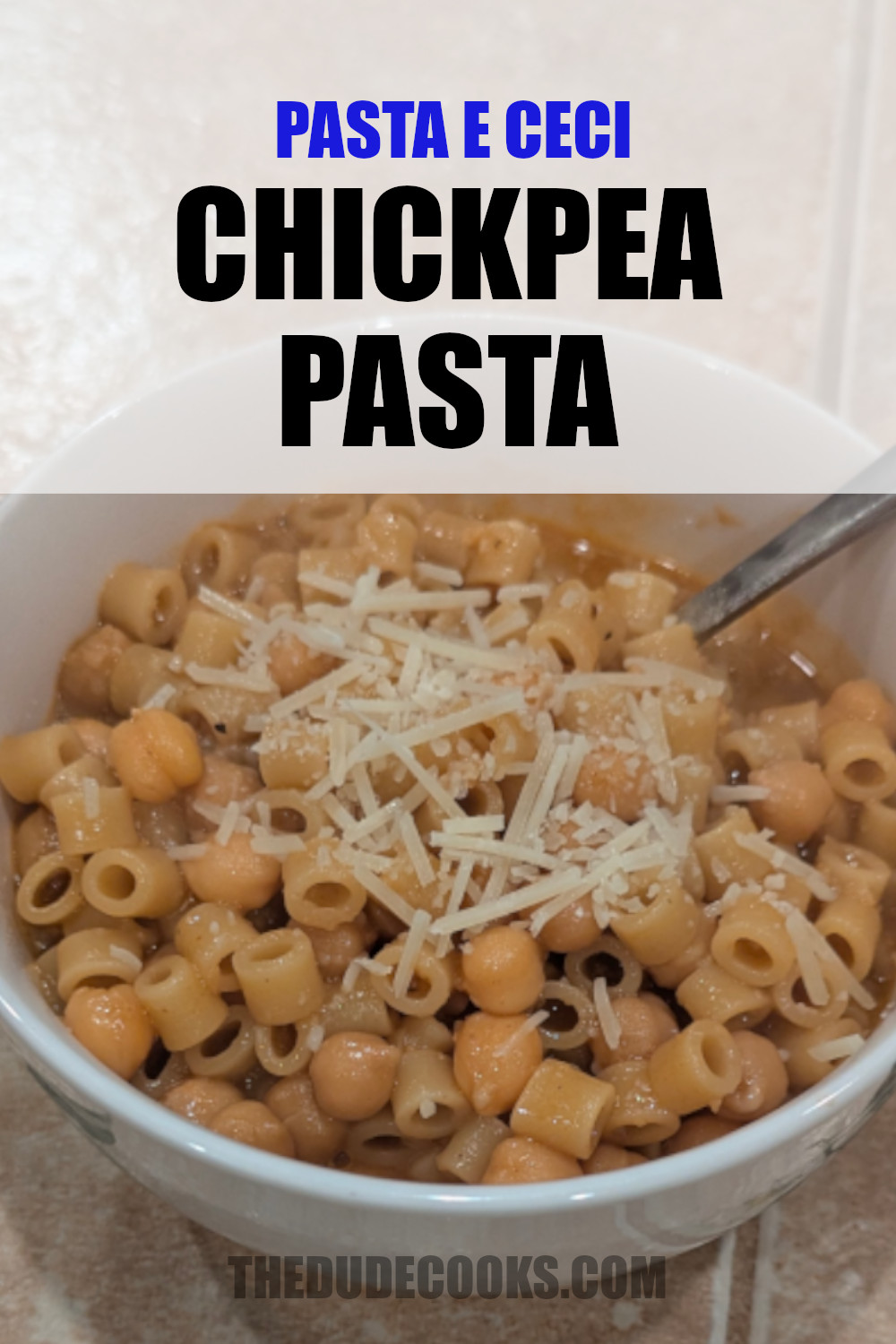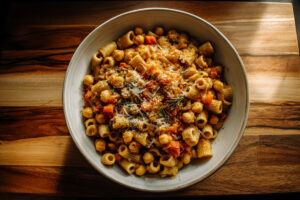
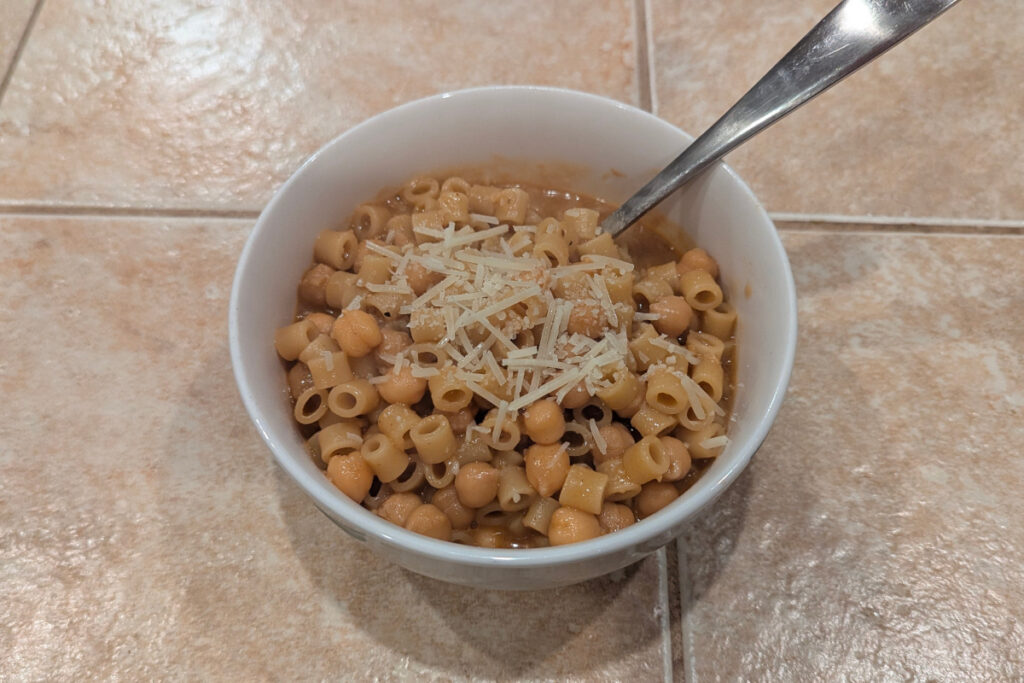
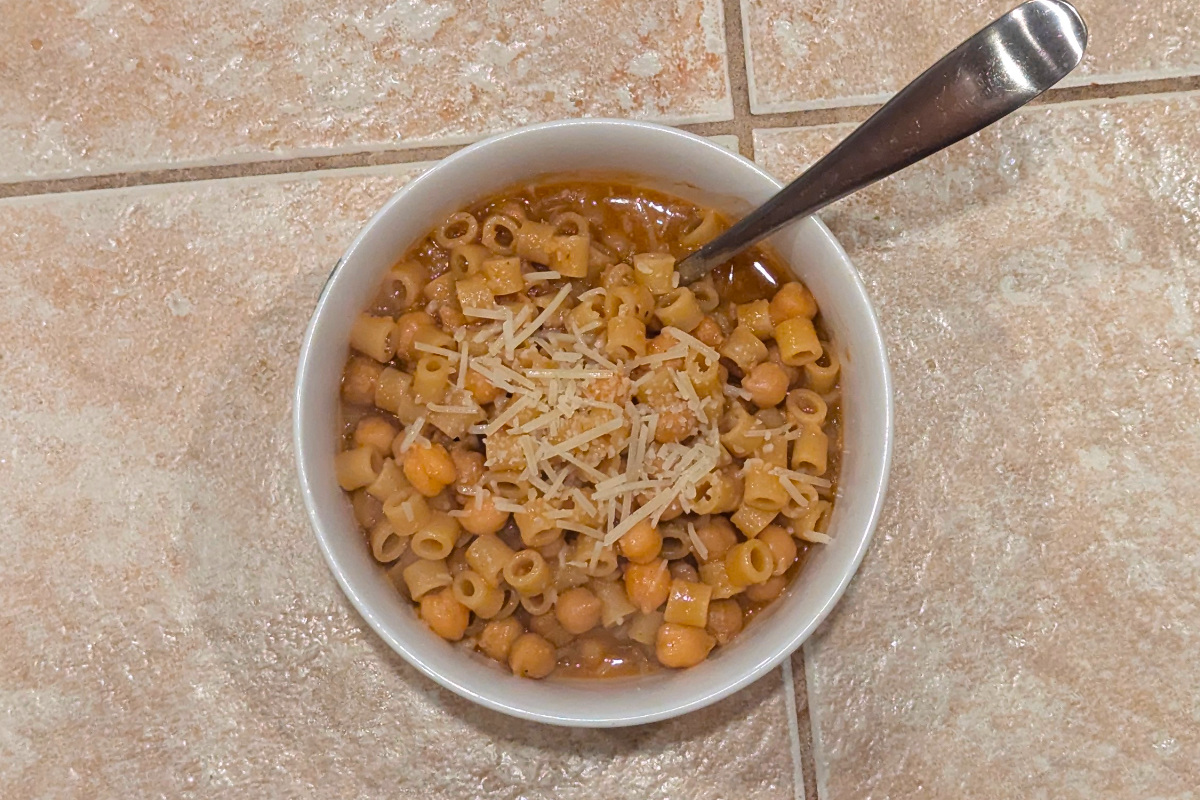
When the temperature drops and you need a bowl of something warm and satisfying, this Pasta e Ceci delivers exactly what you’re craving. Picture this: tender chickpeas swimming in a rich, garlicky broth with small pasta that soaks up every bit of flavor. It’s the kind of Italian comfort food that sticks to your ribs without weighing you down.
I stumbled onto this recipe when I was looking for something more interesting than my usual chicken soup routine. Turns out, Italians have been making this peasant dish for centuries, and there’s a good reason it’s stuck around. It’s basically a one-pot wonder that comes together in about 35 minutes, uses ingredients you probably already have in your pantry, and tastes like you spent all day in the kitchen.
The beauty of Pasta e Ceci is in its simplicity. You’re building layers of flavor starting with olive oil, garlic, and fresh rosemary, then adding tomato paste for depth, a splash of white wine for brightness, and finally the chickpeas and pasta. Some of the chickpeas get mashed up to create a creamy, thick broth while others stay whole for texture. Top it with a generous handful of Pecorino Romano and a drizzle of good olive oil, and you’ve got yourself a meal that’ll make you wonder why you ever bothered with canned soup.
Why This Recipe Works
A few things make this different from just dumping chickpeas and pasta in a pot:
Blooming the aromatics in olive oil. Starting with garlic and rosemary in olive oil creates a flavor base that infuses everything. The gentle heat softens the garlic without burning it and pulls out those piney, fragrant notes from the rosemary. This is where the magic starts.
Cooking the tomato paste. Don’t skip this step. A minute or two in the hot oil transforms the tomato paste from raw and tinny to deep and sweet. The sugars caramelize, the acidity mellows out, and you get a concentrated tomato flavor that punches way above its weight.
The white wine deglazing. That half cup of wine isn’t just for show. It picks up all the browned bits stuck to the bottom of the pot (that’s called fond, and it’s pure flavor). The wine also adds brightness and helps emulsify everything into a cohesive broth instead of oil floating on top of water.
Blending some of the chickpeas. This is the move that turns this from soup into something special. Blending part of the chickpeas with the liquid creates a creamy, thick base without adding any cream or flour. The starch from the chickpeas does all the work. The rest of the chickpeas stay whole for texture, so every bite has both creamy and satisfying elements.
Cooking the pasta in the broth. The pasta releases starch as it cooks, which thickens the broth even more and helps everything cling together. Plus, the pasta absorbs all those flavors instead of just sitting in plain water. You end up with pasta that tastes like the dish, not just a carrier for the sauce.
Pecorino Romano finish. Stirring in the cheese at the end adds a salty, funky, sharp note that balances the earthiness of the chickpeas and the sweetness of the tomato paste. It also adds one more layer of richness without making the dish feel heavy.
Ingredient Breakdown
Here’s what you’re working with and why each ingredient matters:
Olive oil: You need a good amount here because it’s the base of your flavor. Quarter cup might seem like a lot, but it’s what carries the garlic and rosemary flavors and keeps everything from tasting flat. Use decent olive oil, but save the fancy stuff for drizzling at the end.
Garlic: Four cloves, lightly crushed. Crushing instead of mincing gives you bigger pieces that soften and sweeten as they cook. You’ll pull them out before serving (along with the rosemary), so you get the flavor without biting into raw garlic chunks. If you love garlic, leave them in. If you’re cooking for kids or garlic-sensitive people, you could cut back to two or three cloves.
Fresh rosemary: One sprig is perfect. Fresh rosemary has a piney, almost lemony quality that dried rosemary can’t match. The whole sprig goes in at the beginning and comes out before serving. Don’t have fresh? Use about a teaspoon of dried, but know it’s more intense and you can’t fish it out, so it stays in the dish.
Tomato paste: Two tablespoons adds concentrated tomato flavor and helps thicken the broth. It also brings a slight sweetness that balances the salty cheese and briny chickpeas. Cooking it in the oil before adding liquid is key to developing that deep, rich flavor.
White wine: Half a cup of dry white wine deglazes the pan and adds acidity. Pinot Grigio, Sauvignon Blanc, or any dry white you’d actually drink works great. If you don’t want to use wine, substitute chicken or vegetable stock and add a squeeze of lemon juice at the end.
Chickpeas: Two 15-ounce cans, drained. You can use the liquid from the cans if you want (it’s called aquafaba), but honestly, canned chickpea liquid can make the broth too thick and gloppy. Better to use stock or water and control the consistency yourself. If you’re using dried chickpeas you cooked yourself, save that cooking liquid. It’s gold and makes the best broth.
Stock or broth: Four cups total. Chicken stock adds richness, vegetable stock keeps it vegetarian, or you can use water if that’s all you have. Low-sodium is best so you can control the salt level. If you used dried chickpeas, use the cooking liquid instead.
Pasta: Eight ounces of small tubular pasta. Ditalini is traditional and perfect for this dish. It’s small enough to fit on a spoon with the chickpeas and cooks quickly. Elbow macaroni, small shells, or tubetti all work. You could even break up spaghetti into short pieces. Just keep it small.
Pecorino Romano: Two ounces, finely grated. Pecorino is sharper and saltier than Parmesan, which is exactly what this dish needs. If you can only find Parmesan, that works too, but Pecorino brings a funkier, more interesting flavor. Grate it fresh. The pre-grated stuff doesn’t melt as smoothly.
Red pepper flakes: Optional but recommended. A quarter teaspoon adds warmth without making it spicy. You won’t taste heat, just a subtle kick that makes everything more interesting. Skip it if you’re feeding kids or people who can’t handle any spice at all.
Black pepper and salt: Season as you go. Taste before serving and adjust. Canned chickpeas and Pecorino Romano both bring salt, so go light at first and add more at the end if needed.
The Right Tools Make This Easy
You only need a couple of key pieces to nail this recipe:
Dutch oven or large heavy-bottomed pot. This is where cast iron shines. Whether you go with a traditional cast iron Dutch oven or an enameled cast iron version, the thick walls and heavy bottom distribute heat evenly, which matters when you’re building flavor layers. The garlic and rosemary get that gentle, even heat they need to soften without burning. The tomato paste caramelizes properly. And when you add the liquid, that thermal mass keeps everything at a steady simmer without hot spots that could scorch your chickpeas.
I’ve been cooking with cast iron for decades, and it’s the most forgiving cookware you can own for one-pot meals like this. You can walk away for a minute without worrying about things burning. The heat stays consistent. And if you’re using an enameled version, cleanup is a breeze. Check out my guide on cleaning cast iron pans if you’re still figuring out the maintenance side of things.
Regular stainless steel or aluminum pots work too, but you’ll need to watch the heat more carefully and stir more often. If that’s what you have, use it. Just keep an eye on things.
Immersion blender. This is the tool that transforms this from “chickpea soup with pasta” into actual Pasta e Ceci. You’re blending part of the chickpea mixture to create that creamy, thick base while leaving the rest whole for texture. An immersion blender lets you do this right in the pot without transferring hot liquid to a countertop blender and risking a mess or a burn.
If you don’t have one yet, this is one of those kitchen tools that pays for itself fast. Beyond this recipe, you’ll use it for pureed soups, smoothies, making mayonnaise, blending salad dressings, and about a hundred other things. It’s the kind of tool that once you have it, you wonder how you ever cooked without it.
No immersion blender? You can carefully transfer some of the hot mixture to a regular blender, but work in batches and vent the lid to let steam escape. Or skip the blending entirely and just mash some chickpeas with a potato masher. It won’t be as smooth, but it’ll still taste great and give you that thickened broth.
Pasta e Ceci (Pasta with Chickpeas)
Ingredients
Equipment
Method
- In a large Dutch oven, heat oil over medium heat until shimmering. Add garlic and rosemary, season lightly with salt, and cook, stirring frequently, until garlic softens and turns golden, about 5 minutes.
- Drain the chickpeas and reserve the liquid. Mix with enough chicken/vegetable broth to make 4 cups of liquid
- Add pepper flakes and continue to cook, stirring constantly, until fragrant, about 30 seconds.
- Add tomato paste and cook until tomato paste is fragrant and turns dark brick red, about 1 minute.
- Stir in wine, scraping up any browned bits with a wooden spoon. Bring to a simmer, and cook until wine has emulsified with olive oil and mixture is slightly reduced, about 2 minutes.
- Remove Dutch oven from heat; remove and discard rosemary sprig. Add 1 cup chickpeas and 1 cup reserved chick pea liquid, and using an immersion blender, blend mixture until smooth, 1 to 2 minutes. (If you do not have a handheld immersion blender, transfer mixture to blender and blend until smooth, about 1 minute. Pour mixture back into Dutch oven.) Stir in remaining chickpeas, 3 cups stock/chickpea liquid, and black pepper. Season with salt to taste.
- Bring chickpea mixture to a boil over medium-high heat. Stir in pasta and cook, stirring frequently, until pasta is just shy of al dente (about 6 minutes), and liquid is reduced to a consistency that falls between soupy and saucy. Adjust consistency as needed with additional water, stock, or chickpea cooking liquid, keeping in mind that liquid will tighten up as it cools due to starch from the chickpeas.
- Remove from heat, add cheese, and stir rapidly to incorporate. Season with salt to taste. Divide between individual serving bowls and drizzle each serving with olive oil. Serve, passing extra grated cheese at the table.
Notes
Storage and Make-Ahead Tips
This dish walks the line between soup and pasta, which affects how well it keeps.
Refrigerator: Leftovers will last up to 2 days in an airtight container. The pasta will continue absorbing liquid as it sits, so the dish gets thicker and less brothy. When you reheat, add a splash of stock or water to loosen it up. Heat gently on the stovetop over medium-low, stirring occasionally. Microwave works in a pinch, but stovetop gives better results.
Freezer: You can freeze this, but the pasta texture suffers. If you’re planning to freeze some, I’d recommend making the chickpea base (everything up through step 6, before adding the pasta), then freezing that. When you’re ready to eat, thaw the base, bring it to a simmer, and cook the pasta fresh. Pasta only takes 8 to 10 minutes anyway, and the results are way better than reheating mushy frozen pasta.
Use silicone freezer trays to freeze the base, then bag it up. The base will keep for up to 3 months. Label it with the date and cooking instructions so future you doesn’t have to figure it out.
Make-ahead strategy: If you’re meal prepping, cook the base on Sunday, portion it out, and store in the fridge. Each night, heat a portion and cook fresh pasta. You get the convenience of a make-ahead meal with the quality of something made fresh.
Other Ways to Serve This
Beyond a bowl with a spoon, this chickpea and pasta mixture is surprisingly versatile:
With crusty bread. Honestly, this is less of an “other way” and more of a requirement. A big hunk of crusty bread for dipping is mandatory. Sourdough, ciabatta, or a good Italian loaf all work. Toast it if you want. Rub it with a cut garlic clove if you’re feeling fancy.
Over creamy polenta. Skip the pasta entirely and serve the chickpea mixture over a bowl of creamy polenta. The creaminess of the polenta with the brothy chickpeas is next-level comfort food. Add an extra drizzle of olive oil and more Pecorino.
As a pasta sauce. Make it thicker (use less liquid or simmer longer) and toss it with your favorite pasta shape cooked separately. Rigatoni or penne work great. Top with fresh parsley and extra cheese.
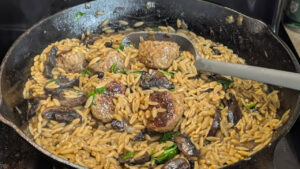
With sausage. Brown some Italian sausage (removed from casings and crumbled) before you add the garlic and rosemary. Use the rendered fat instead of some of the olive oil. This turns it into a heartier, meatier meal that’ll satisfy the biggest appetites.
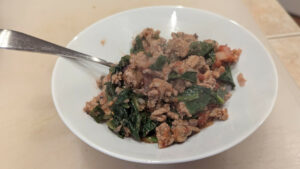
With greens. Stir in a few handfuls of spinach, kale, or Swiss chard in the last few minutes of cooking. The greens wilt into the broth and add color, nutrition, and a slightly bitter note that balances the richness. This is what I do when I’m pretending to eat healthy.
Topped with crispy pancetta. Fry up some diced pancetta until it’s crispy, then use it as a topping along with the Pecorino. The salty, crispy pork takes this to another level. Not exactly traditional, but absolutely delicious.
Tips for Success
A few things that’ll make the difference between good and great:
Don’t rush the garlic. Give it the full 5 minutes to soften and turn golden. Raw or burnt garlic will ruin the dish. You want it sweet and mellow, which takes time over gentle heat.
Taste your tomato paste. After you cook it for a minute, it should smell sweet and rich, not sharp and acidic. If it still smells raw, give it another 30 seconds. This step is quick but crucial.
Use good stock if you can. Homemade stock makes a noticeable difference here. If you’re using store-bought, get the best you can afford. Low-sodium is important so you control the salt. Avoid anything labeled “broth” that’s full of salt and MSG.
Cook the pasta just shy of al dente. It’ll continue cooking in the hot broth even after you turn off the heat. One to two minutes less than the package directions is the sweet spot. Better to undercook slightly than end up with mush.
The consistency will thicken as it sits. Both the chickpea starch and the pasta starch continue working their magic even off the heat. If the dish looks a little soupy when you turn off the burner, that’s fine. Give it five minutes and check again. You can always add more liquid, but you can’t take it out.
Finish with good olive oil. That final drizzle of olive oil on each bowl isn’t optional. It adds a glossy richness and brings all the flavors together. Use your good stuff here. The heat is off, so the flavor really comes through.
Serve it hot. This dish is best eaten right away while the pasta still has some bite and the broth is steaming. It reheats okay, but it’s never quite as good as the first bowl.
Common Questions About Pasta e Ceci
Can I use different pasta shapes?
Absolutely. Ditalini is traditional, but any small pasta works. Elbow macaroni, small shells, tubetti, or even broken-up spaghetti all do the job. The key is keeping the pasta small so it cooks evenly in the broth and you get pasta in every spoonful. Avoid larger shapes like rigatoni or penne. They’ll cook unevenly and throw off the ratio of pasta to broth.
What if I only have dried chickpeas?
Dried chickpeas work great and actually give you better flavor. Cook them until tender (stovetop takes about 1 to 1.5 hours, pressure cooker about 25 minutes), then save that cooking liquid. Use it in place of the stock called for in the recipe. That chickpea cooking liquid is full of flavor and natural starches that help thicken the broth. When using dried chickpeas, you can skip the blending step entirely. Just mash some of the cooked chickpeas right in the pot with a potato masher.
Is this soup or pasta?
Yes. It sits right in between, which is part of the appeal. The consistency should be somewhere between a thick soup and a saucy pasta dish. If you like it more soupy, add extra stock. If you want it thicker and more pasta-forward, use less liquid or let it simmer longer uncovered to reduce. Italians would call this a “pasta in brodo” (pasta in broth), but however you categorize it, it’s delicious.
Can I make this vegetarian or vegan?
Easy. Just use vegetable stock instead of chicken stock. The recipe is already meatless, so that’s the only swap you need for vegetarian. For a vegan version, skip the Pecorino Romano at the end or substitute nutritional yeast for a cheesy flavor without dairy. You could also finish it with a drizzle of good olive oil and some fresh herbs instead of cheese.
Why does the recipe call for white wine?
The wine adds brightness and acidity that balances the richness of the olive oil and the earthiness of the chickpeas. It also helps deglaze the pan, picking up all those flavorful browned bits from the bottom. Don’t use anything you wouldn’t drink. A dry white like Pinot Grigio or Sauvignon Blanc works perfectly. If you don’t want to use wine, substitute with extra stock and add a squeeze of lemon juice at the end to get that brightness.
Can I freeze leftovers?
You can, but the pasta will get mushy when reheated. If you’re planning to freeze some, cook the chickpeas and broth, then freeze that base without the pasta. When you’re ready to eat, reheat the base and cook the pasta fresh. The pasta only takes 8 to 10 minutes anyway, so it’s not much extra work and the results are way better. The base freezes well for up to 3 months.
What’s the deal with the rosemary sprig?
Fresh rosemary is key here. It infuses the oil with flavor right from the start, but you don’t want woody bits in your finished dish, so you pull it out before serving. If you only have dried rosemary, use about 1 teaspoon and let it stay in the dish. Just know that dried rosemary is more intense and can be a little chewy, so go lighter than you think and expect a different texture.
How do I know when the pasta is done?
Cook it until it’s just shy of al dente, about 1 to 2 minutes less than the package directions. It’ll continue cooking in the hot broth even after you turn off the heat. Taste a piece. It should have a slight firmness in the center. Better to undercook slightly than overcook. Mushy pasta ruins this dish, and there’s no fixing it once it’s overdone.
Why is my sauce too thick (or too thin)?
Chickpeas release starch as they cook, which thickens the liquid. If your sauce is too thick, add water or stock a quarter cup at a time until it reaches the consistency you want. Too thin? Let it simmer uncovered for a few extra minutes, or mash a few more chickpeas to release more starch. The sauce will also thicken as it cools, so keep that in mind before adding more liquid. What looks perfect on the stove might be too thick by the time you sit down to eat.
Can I add meat to this?
Sure. Brown some Italian sausage (casings removed, crumbled) or diced pancetta before adding the garlic and rosemary. Use the rendered fat in place of some of the olive oil. Ground beef or turkey would work too, though they’re less traditional. This turns it into a heartier meal that’s more filling. Just know you’re moving away from the classic peasant dish at that point.
What if I don’t have Pecorino Romano?
Parmesan works fine as a substitute. It’s milder and less salty than Pecorino, so you might need to add a pinch more salt at the end. Grana Padano is another good option. If you’re going dairy-free, skip the cheese and finish with nutritional yeast and extra olive oil. It won’t taste the same, but it’ll still be good.