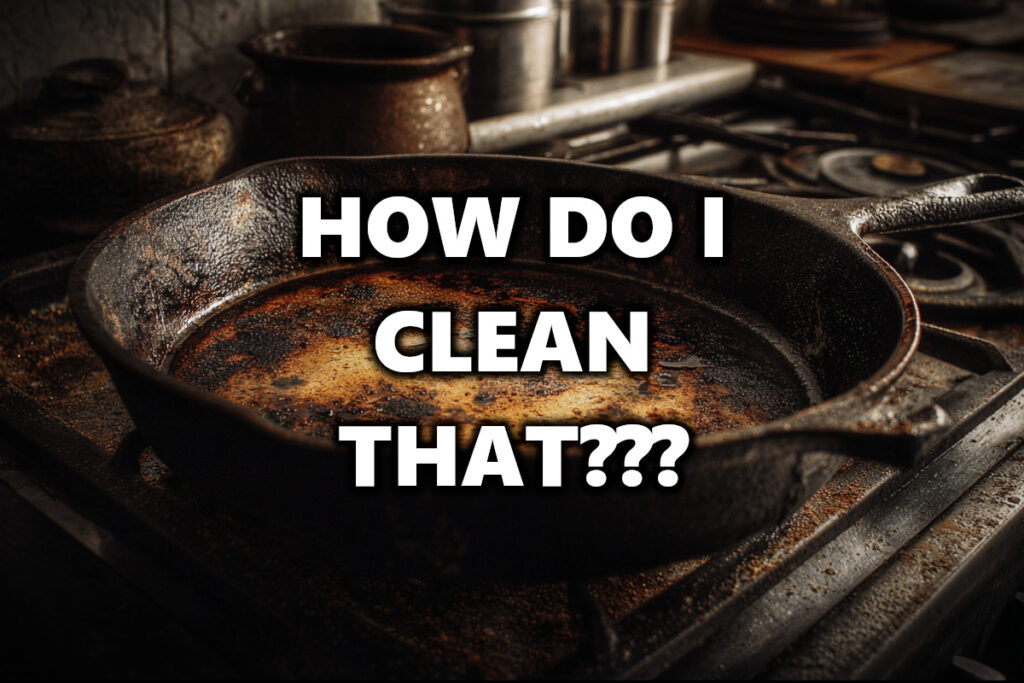
Cast iron is the workhorse of the kitchen. It’s naturally nonstick when properly seasoned, completely non-toxic (no sketchy chemicals leaching into your food), and with the right care, it’ll outlast you. I’ve been cooking with cast iron for decades, and honestly, it’s the first pan I recommend to anyone building out their kitchen.
But here’s the thing: cast iron does require a bit more attention than your standard stainless steel or those nonstick pans I refuse to use. The good news? Cleaning cast iron is way easier than most people make it out to be. You just need the right tools.
When Food & Wine asked professional chefs about their go-to cast iron cleaning methods, both recommended the exact same two tools for keeping their cast iron in top shape.
Let’s break down what the pros use and how to keep your cast iron cooking like a dream for years to come.
The Two Tools Every Cast Iron Owner Needs
A Good Pan Scraper
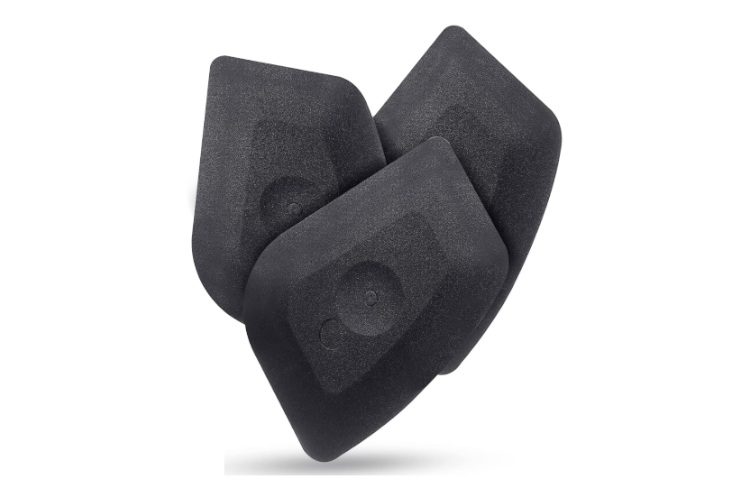
Before you even think about scrubbing, you need to get the bulk of stuck-on food off your pan. A regular sponge will just push that stuff around and destroy itself in the process. That’s where a plastic pan scraper comes in.
These little tools are designed with multiple curved edges that fit the contours of your skillet, including those tricky corners where food loves to hide. Clinton told Food & Wine that scraping tools are essential for removing charred food without messing up your seasoning. Ascher added that the scrapers themselves clean up easily and can even go in the dishwasher.
The Azureblue scrapers are made from hard polycarbonate plastic that’s heat resistant up to 275°F. They’re thin enough to get under stuck bits but sturdy enough to handle some real pressure. Plus, you get three in a pack, so you can keep one by the sink, one in the camping gear, and a spare for when you inevitably lose one.
Pro Tip: Let your pan cool down just enough to handle before scraping. Running cold water on a screaming hot pan can cause thermal shock and potentially warp or crack your cookware.
A Chainmail Scrubber
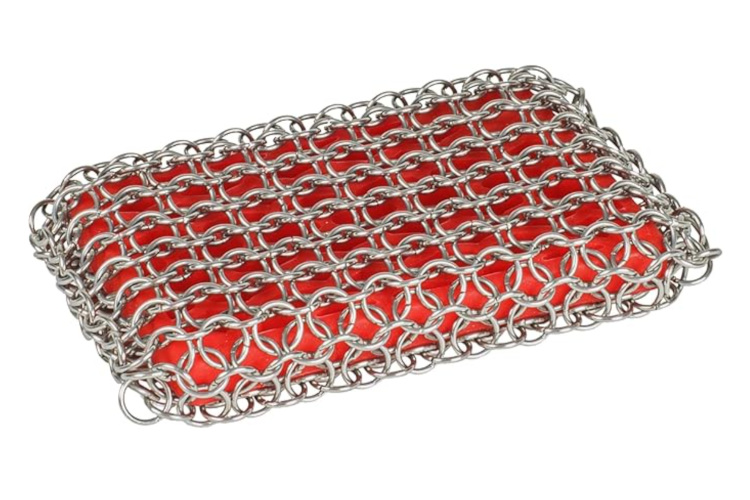
After you’ve scraped off the big stuff, it’s time to tackle whatever’s left clinging to the surface. This is where a chainmail scrubber becomes your best friend.
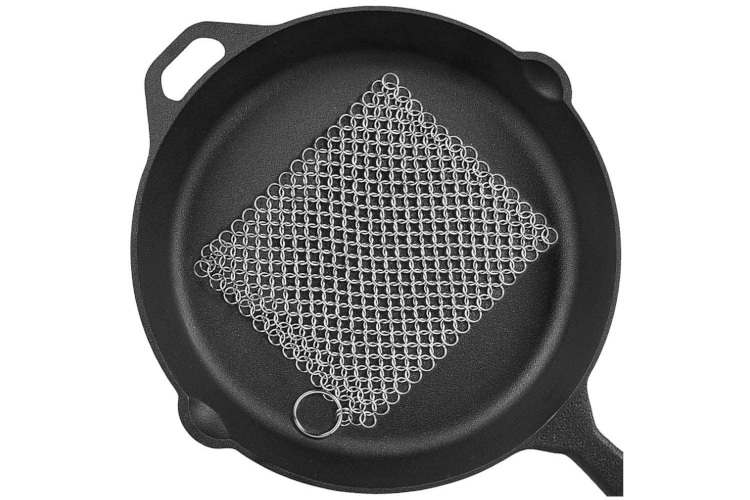
Now, I know what you’re thinking: “Won’t metal scratch off my seasoning?” Nope. That’s one of the biggest cast iron myths out there. A quality chainmail scrubber removes stuck-on food while leaving your seasoning intact.
Ascher explained to Food & Wine that chainmail scrubbers are durable, safe for traditional cast iron, and easy to clean. She did note they can scratch enameled cast iron, so stick to gentler methods for your Le Creuset. Clinton uses hers with hot water for the really stubborn stuff, like charred-on chicken skin.
I specifically recommend the Lodge version over the cheaper knockoffs you’ll find all over Amazon. The stainless steel rings are more durable, the silicone core gives you a better grip, and Lodge makes their stuff in the USA. It’s about $25, and as Clinton put it, you’ll only need to buy it once. A big bonus is that this thing is dishwasher safe, so cleaning it means just stuffing it in your dishwasher. There is of course also the fact that it will basically last forever.
Why Lodge over generic brands? I’ve tried both. The cheap ones have thinner rings that can bend or separate over time. The Lodge scrubber has a silicone core that compresses if you scrub too hard, protecting your pan’s surface. Worth the extra few bucks.
Shop More Cast Iron Cleaning Tools at Amazon
The Best Oil for Seasoning and Maintenance
Once your pan is clean and dry, you need to give it a light coating of oil before storing. This prevents rust and maintains that beautiful seasoning you’ve been building.
My recommendation: Crisco (vegetable shortening)
Yeah, it’s old school. Your grandma probably used it. But there’s a reason Crisco has been the go-to for cast iron seasoning for generations: it works.
Crisco has a relatively high smoke point, spreads easily into a thin layer, and polymerizes beautifully when heated. That polymerization is what creates the slick, nonstick surface on your pan.
How to apply:
- Make sure your pan is completely dry (I heat mine on the stove for a minute to evaporate any remaining moisture)
- Put a tiny amount of Crisco on a paper towel
- Wipe a thin layer over the entire pan, inside and out, including the handle
- Wipe off any excess until the pan looks almost dry
- Store it away
The key word here is thin. If you leave too much oil on the surface, it’ll turn sticky and gummy. You want just enough to create a barrier against moisture.
What about other oils? Flaxseed oil got popular a few years back, but I’ve seen too many cases of it flaking off over time. Avocado oil works fine for maintenance but is pricier. Canola or vegetable oil will do in a pinch. But for seasoning that stands the test of time, Crisco is hard to beat.
Quick Cast Iron Cleaning Routine
Here’s my everyday process for cleaning cast iron after cooking:
- While the pan is still warm (not hot), scrape out any food debris with your pan scraper
- Rinse with hot water and use your chainmail scrubber on any stubborn spots
- Dry immediately and thoroughly with a towel, then heat on the stove for 30-60 seconds to evaporate any remaining moisture
- Apply a thin coat of Crisco while the pan is still slightly warm
- Wipe off excess until the pan looks almost dry
- Store in a dry place
The whole process takes maybe two minutes once you get the hang of it.
What About Soap?
Here’s another cast iron myth that needs to die: you can use soap on cast iron.
Modern dish soap is not the harsh lye-based stuff your great-grandparents used. A little Dawn isn’t going to strip your seasoning. If you’ve got something greasy or particularly funky going on, a drop of soap and your chainmail scrubber will handle it just fine.
That said, you don’t need soap for everyday cleaning. Hot water and a scrubber usually do the trick. But don’t be afraid to use it when the situation calls for it.
Dealing with Rust or Damaged Seasoning
Even well-maintained cast iron can develop rust spots if it’s left wet or stored improperly. Here’s the good news: it’s fixable.
For light rust:
- Scrub with your chainmail scrubber and hot water
- Dry thoroughly
- Apply a thin coat of Crisco
- Heat in a 400°F oven for an hour
- Let cool in the oven
For heavy rust or a pan that needs a complete redo:
- Lodge makes a Rust Eraser specifically for this purpose
- Scrub off all the rust until you’re down to bare metal
- Re-season the entire pan (thin coat of Crisco, baked at 450°F for an hour, repeat 2-3 times)
Frequently Asked Questions
Can I put my cast iron in the dishwasher? No. The dishwasher will strip your seasoning and likely cause rust. Hand wash only.
Do I need to season my pan after every use? A light wipe of oil after drying is all you need for everyday maintenance. Full oven seasoning is only necessary if you notice food starting to stick or see dull gray patches.
Can I use these tools on enameled cast iron? The pan scraper is safe for enameled cast iron like Le Creuset. However, chainmail scrubbers can scratch the enamel coating, so use a softer sponge on those.
What if food is really burned on? Fill the pan with water, bring it to a simmer on the stove for a few minutes, then use your scraper and chainmail scrubber. The heat and moisture will loosen even the most stubborn burnt bits.
Is cast iron really better than nonstick? For me, absolutely. Cast iron gives you better heat retention, better searing, no concerns about chemical coatings, and it’ll last your entire lifetime if you take care of it. Nonstick pans need replacing every few years and have questionable safety concerns at high temperatures.
The Bottom Line
Cleaning cast iron doesn’t have to be complicated. With a $6 pan scraper and a $25 Lodge chainmail scrubber, you’ve got everything you need to keep your cast iron in perfect condition for decades.
As Clinton put it to Food & Wine: maintaining cast iron can be intimidating, but these tools make it feel effortless. And once you nail down your routine, you’ll wonder why you ever thought cast iron was high maintenance.
Got questions about cast iron care? Drop them in the comments below.
Related Posts
- 10 Must-Have Pans for Every Kitchen
- [Add links to other cast iron content if available]
- [Add links to camping/outdoor cooking content if relevant]